 Combo · save ₹999


₹2,499
Inclusive of all taxes. Free delivery.
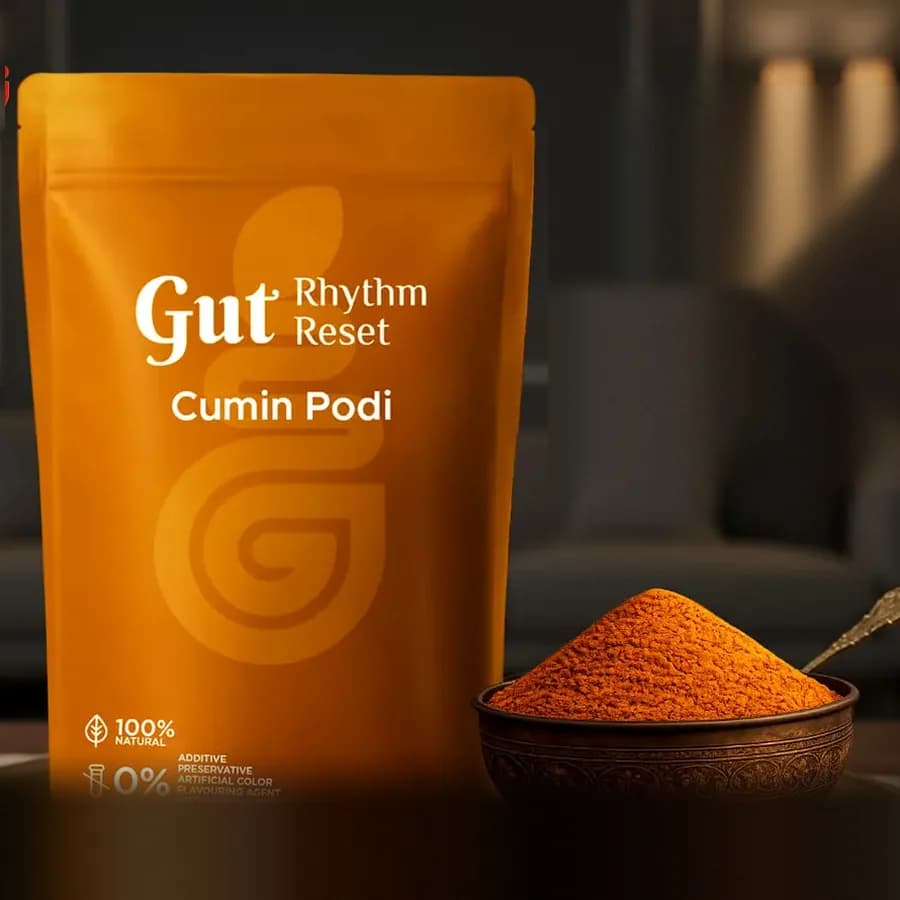
Cumin, carom seeds, cardamom and cloves, lightly sweetened with jaggery. A fragrant, earthy podi. Five ingredients, nothing else. 60-day pack.
- 60 days
- 500 g
- 100% vegetarian
- No additives or preservatives
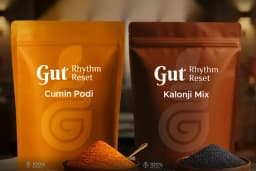
Add India's Cleanest Kalonji Mix and save ₹999
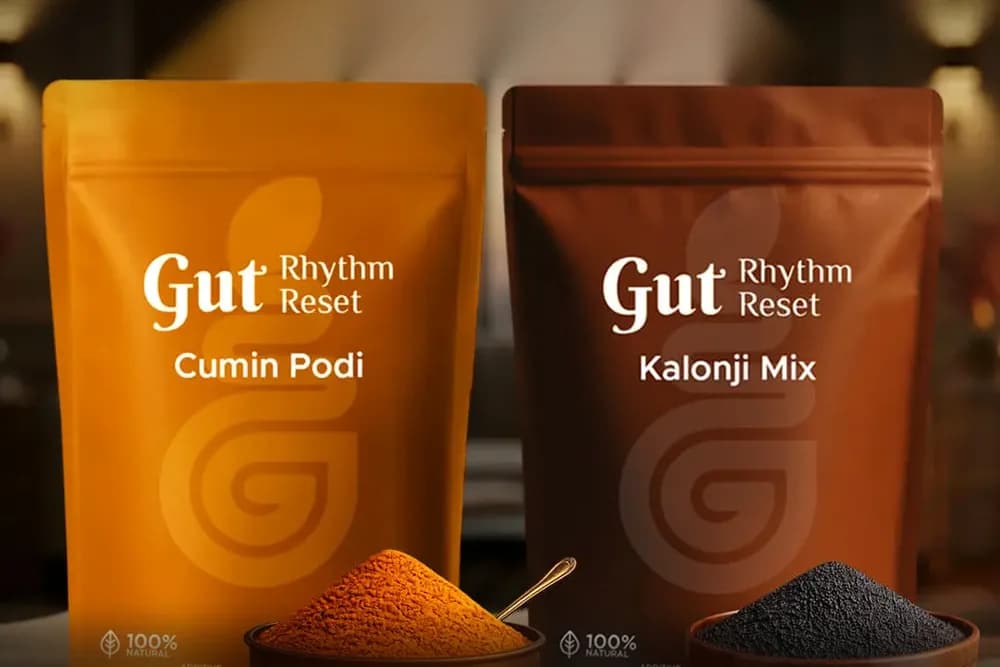
ViewGet the India's Cleanest Cumin + Kalonji Combo for ₹3,999 instead of ₹4,998.
1
Prepared fresh and dispatched within 2 working days.
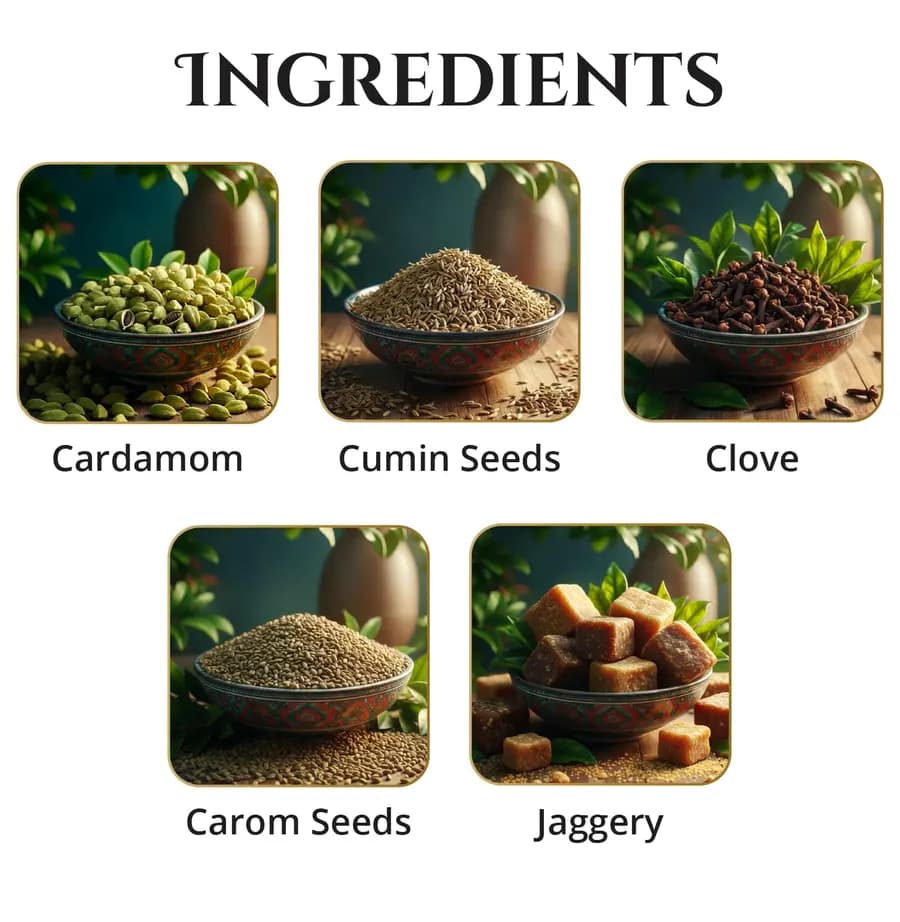
Made with · 5 ingredients
- Cumin seeds
- Carom seeds (ajwain)
- Cardamom
- Cloves
- Jaggery
A part of your day
A spoonful after meals
- 1Chew
Take 1 tbsp and chew it directly.
- 2After meals
Breakfast, lunch and dinner.
Clean, by design
India's cleanest means a short ingredient list we are proud to print, and proof you can ask for.
Whole ingredients only
Real fruits, seeds and spices. No extracts, fillers or flavourings.
Nothing added
No preservatives, artificial colours or flavours, or anti-caking agents.
Independently lab tested
Tested by an independent laboratory. Reports are available on request.
FSSAI-licensed kitchen
Made fresh in small batches in a licensed kitchen.
Known suppliers
We know where every ingredient comes from.
What's inside, and what research says
A short, honest look at each ingredient. These are findings about the ingredients themselves, from published research. They are not claims about this product.
Cumin seedsCuminum cyminumCumin seeds are the dried, aromatic fruits of a plant in the parsley family, used whole in tempering (tadka) or ground into spice blends, curries and raita across Indian cooking.
What it contains
- Cumin seeds contain about 3-4% volatile oil, in which cuminaldehyde is the main compound (reported at roughly 45-50% of the oil in one review; shares vary between samples).
- Cumin seeds contain phenolic compounds; HPLC analysis of seeds identified 19 phenolics, with rosmarinic acid and p-coumaric acid prominent depending on how ripe the seeds were.
What research says
- Animal studyIn rats fed a diet containing 1.25% cumin for 8 weeks, pancreatic amylase, trypsin and chymotrypsin activities were higher; a single dose had no such effect. Animal study only.
Source: Die Nahrung 2000
- Laboratory studyLaboratory tests on cumin seed extracts found antioxidant activity (free-radical scavenging) that was higher in fully ripe seeds, which contained more polyphenols. Test-tube data only.
Research on this ingredient is still early: laboratory and animal studies only.
Carom seeds (ajwain)Trachyspermum ammiCarom seeds (ajwain) are small, sharply aromatic seeds tempered in oil or added to doughs, parathas, snacks and lentil dishes in Indian cooking.
What it contains
- Carom seeds yielded 3.2-5% essential oil in 14 Iranian samples; thymol was the main compound (about 60-96% of the oil), with p-cymene, gamma-terpinene and carvacrol also present.
Source: Scientific Reports 2022
- Oil composition varies by origin: another sample was mostly gamma-terpinene (48%), p-cymene (34%) and thymol (17%). Ajowan plant material also contained phenolic acids (e.g. caffeic, ferulic) and rutin.
Source: Journal of Evidence-Based Complementary & Alternative Medicine 2015; Foods 2022
What research says
- Laboratory studyLaboratory assays (DPPH, FRAP, total antioxidant capacity) measured antioxidant activity of carom seed extracts and oils from 14 Iranian populations; activity differed between populations. Test-tube study only.
Source: Scientific Reports 2022
- Laboratory studyIn a laboratory study, thymol content of ajowan oil ranged from about 38% to 89% depending on water stress during growth, so composition is not constant.
Source: Foods 2022
Research on this ingredient is still early: laboratory and animal studies only.
CardamomElettaria cardamomumCardamom (green elaichi) is the dried seed pod of a ginger-family plant, used whole or ground to flavour chai, sweets, rice dishes and spice blends in Indian food.
What it contains
- GC-MS analysis of four Indian cardamom varieties found essential oil rich in 1,8-cineole (about 29-35%); alpha-terpinyl acetate was 26.7% in the one variety where it was reported.
Source: Natural Product Research 2020
- A 2020 critical review lists carbohydrates, proteins, minerals, lipids, essential oils, flavonoids, terpenoids and carotenoids among the constituents of cardamom capsules.
What research says
- Laboratory studyA laboratory study of cardamom seed oil found antioxidant activity (up to about 79% DPPH inhibition for one extraction condition); extraction method changed oil yield. Test-tube data only.
Source: Molecules 2023
- Laboratory studyA critical review reports antioxidant activity of cardamom capsule extracts and essential oil in laboratory work, and says more research is needed on how its compounds act.
Research on this ingredient is still early: laboratory and animal studies only.
ClovesSyzygium aromaticumCloves are the dried, nail-shaped flower buds of an evergreen tree, used whole or ground as a pungent, warming spice in Indian rice dishes, garam masala and chai.
What it contains
- In an analysis using the Phenol-Explorer database, cloves had the highest total polyphenol content of any food listed, about 15,000 mg per 100 g; spices and dried herbs were the richest group.
- Clove essential oil is mainly eugenol (at least 50%), with eugenyl acetate, beta-caryophyllene and alpha-humulene making up much of the remainder.
Source: Molecules 2021
What research says
- Laboratory studyIn laboratory tests of 12 common spices, clove had the highest total polyphenol content (about 215 mg GAE/g) and among the highest free-radical scavenging capacity. Test-tube data only.
Source: Antioxidants 2021
- Laboratory studyA laboratory study of a clove water extract measured about 240 mg GAE/g total phenolics and activity in several antioxidant assays (DPPH, FRAP, ORAC). Test-tube data only.
Research on this ingredient is still early: laboratory and animal studies only.
JaggerySaccharum officinarum (sugarcane); made by boiling down cane juiceJaggery (gur) is unrefined cane sugar made by boiling sugarcane juice until it sets; it is the traditional Indian sweetener for ladoos, chikki, tea and sweets.
What it contains
- Jaggery is mostly sugar: a review reports about 70-85 g sucrose and 7-10 g glucose and fructose per 100 g, with composition varying by cane, region and processing.
Source: Sugar Tech 2022
- Unrefined cane sugars from Japan, Malaysia and Indonesia contained about 230-1,350 mg total minerals per 100 g, roughly 69% of it potassium, followed by calcium and magnesium.
Source: Foods 2023
What research says
- Laboratory studyLaboratory tests on seven commercial sugars found unrefined (non-centrifugal) sugars had more antioxidant activity and higher phenolic and mineral content than refined ones. Not a human study.
Source: Food Research International 2018
Research on this ingredient is still early: laboratory and animal studies only.
General information about the ingredients, not about this product. Our products are food, not medicine, and are not intended to diagnose, treat, cure or prevent any disease. These statements have not been evaluated by FSSAI.
Common questions
What does “India's Cleanest” mean?
It means the shortest honest ingredient list we can make: whole ingredients only, with no additives, preservatives, artificial colours or flavours, and every product independently lab tested. The full list is printed on the pack and on each product page, with the reference for what is known about every ingredient.
Are your products lab tested?
Yes. Our products are tested by an independent laboratory, and the lab report is available on request. Write to us with the product name and we will send it.
Are they FSSAI approved?
Our blends are made from whole food ingredients in an FSSAI-licensed kitchen. They suit most adults as part of a normal diet. If you are pregnant, nursing, have a medical condition or take regular medication, please check with your doctor first.
How do I use them?
Podis are chewed by the spoonful, usually after meals. Drink mixes are stirred into a glass of water. The Kalonji Mix is sprinkled on food or stirred into buttermilk, and the Flax Seed Podi is simmered into a warm, kheer-like dessert. Each product page has the steps.
About this blend
India's Cleanest Cumin Podi is a fragrant blend of cumin, carom seeds, cardamom and cloves, lightly sweetened with jaggery. Five ingredients, all on the pack.
No additives, no preservatives, no artificial colours or flavours. Made fresh in small batches and independently lab tested. Chew a spoonful after meals: earthy, sweet and gently spiced.
Delivery, returns and safety
Orders are prepared fresh and dispatched within 2 working days, then delivered across India in 4–7 business days. You'll get tracking by email.
Because the products are consumable, we can't take returns, but if your order arrives damaged, defective or incorrect, tell us within 7 days and we'll replace it. Full policy
These statements have not been evaluated by FSSAI or any regulator. Our products are food/dietary supplements and are not intended to diagnose, treat, cure or prevent any disease. Consult your doctor if you have a medical condition, are pregnant or nursing, or are taking medication.
Pairs well with
Combo · save ₹999